In complex industrial environments, the efficient and reliable distribution of pressurized air or gas is critical to operational success. At the heart of these pneumatic systems lies the air header distribution manifold. Acting as a central hub, this component ensures that pressurized air is effectively divided and routed from a primary supply line to multiple end-use points—such as control valves, pneumatic instruments, or machinery.
Whether you are designing a new facility or upgrading an existing process control system, understanding the function, design, and selection criteria for air headers is essential for maintaining safety and efficiency.
What is an Air Header Distribution Manifold?
An air header (or instrument air manifold) is a pipe or vessel designed to take a large-volume supply of compressed air and distribute it through multiple smaller branch connections. These manifolds are commonly used in refineries, chemical processing plants, power generation facilities, and manufacturing lines where precise pneumatic control is required.

By centralizing the air distribution point, the manifold eliminates the need for messy, complex piping layouts and reduces potential leak points across the facility.
Key Components
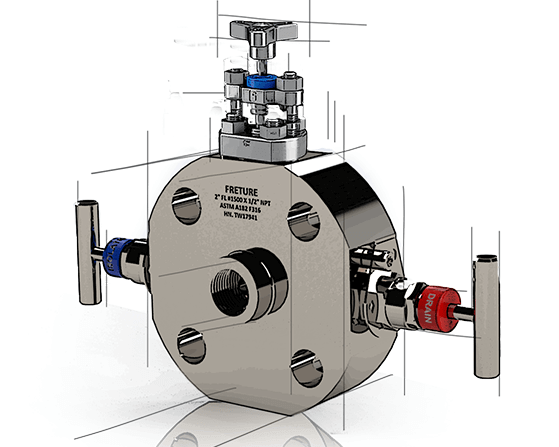
Main Body (Header Pipe): The central chamber that holds the pressurized air volume.
Inlet Connection: The primary port connecting the manifold to the main compressor or supply line.
Outlet Ports: Individual takeoff points, usually equipped with valves, that allow specific equipment to be isolated without shutting down the entire system.
Drain/Purge Valve: Located at the bottom of the header to remove moisture, condensate, or particulates that accumulate over time.
Why Use a Distribution Manifold?
Implementing a high-quality air header distribution system offers several operational advantages:
1. Enhanced System Maintenance
With a manifold, each individual instrument or tool is connected via its own isolation valve. This allows maintenance technicians to service, calibrate, or replace specific equipment without interrupting the air supply to the rest of the production line.
2. Improved Pressure Stability
The header pipe acts as a localized reservoir. By maintaining a steady volume of air, the manifold helps dampen pressure fluctuations caused by sudden demand surges elsewhere in the plant, ensuring consistent performance for sensitive instrumentation.
3. Reduced Leak Risk
By consolidating multiple connections into a single, factory-tested unit, you minimize the number of threaded fittings and joints throughout your pneumatic network. Fewer joints directly correlate to a lower risk of air leaks and higher energy efficiency.
Selection Criteria: Choosing the Right Manifold
Selecting the appropriate compressed air manifold requires evaluating the specific environmental and process conditions of your facility.
Material Compatibility
Stainless Steel (316/316L): The industry standard for harsh environments, such as offshore platforms or chemical plants, due to its excellent corrosion resistance.
Carbon Steel: A cost-effective solution for standard, non-corrosive indoor applications.
Brass/Copper: Sometimes used for specific instrument air applications, though less common in heavy industrial piping.
Pressure Ratings
Always ensure the manifold is rated for the maximum pressure of your air system, including a safety margin. Instrument air systems typically operate between 60 and 100 PSI, but high-pressure headers may require specialized certifications.
Number of Ports (Take-offs)
Manifolds are available with varying numbers of ports (e.g., 4-way, 8-way, or 16-way). It is best practice to include "spare" ports in your design to allow for future expansion without needing to install an entirely new manifold.
Best Practices for Installation and Maintenance
Proper installation is just as important as the quality of the component itself:
Mounting: Ensure the manifold is mounted securely to a rack or wall, preferably with a slight downward slope toward the drain port to facilitate moisture removal.
Moisture Management: Even with refrigerated dryers, some condensation can occur. Regularly operating the drain valve is critical to preventing rust and debris from damaging downstream pneumatic instruments.
Testing: Always perform a pressure test (leak test) after installation to ensure all connections are airtight. Using a soap-bubble test or an ultrasonic leak detector is highly recommended during commissioning.
Conclusion
The air header distribution manifold may seem like a simple component, but it is the backbone of safe and efficient pneumatic operations. By providing a centralized, maintainable, and stable distribution point, it protects your investment in control instrumentation and machinery. When selecting your manifold, prioritize high-quality materials and sufficient capacity for future growth to ensure long-term reliability in your industrial process.
For engineers and maintenance managers, selecting the right configuration today prevents costly downtime and system inefficiencies tomorrow.



No comments:
Post a Comment