Showing posts with label High Pressure Needle Valves. Show all posts

Saturday, 22 March 2025

Applications of High-Pressure (1500psi) Needle Valves in Various Industries

 High-pressure needle valves play a vital role in controlling fluid flow in industries where safety, precision, and durability are paramount. Their unique design enables smooth and precise throttling under extreme conditions. These valves are commonly used in applications where small adjustments to flow rate are required to maintain optimal system performance.

Oil & Gas Industry Applications

  • Pipeline Systems: Ensures safe shutoff in high-pressure transmission lines.

  • Offshore Drilling: Maintains control in subsea hydraulic systems.

  • Refinery Operations: Regulates the flow of pressurized gases and liquids in processing plants.

The oil & gas sector relies on high-pressure needle valves to prevent leaks and ensure safe handling of volatile substances. Their role in emergency shutoff systems enhances the overall safety of drilling and refining processes.

Chemical & Petrochemical Industry Applications

  • Corrosive Fluid Handling: Essential for transferring aggressive chemicals.

  • Process Safety: Reduces leakage risks in high-pressure setups.

  • Pressure Regulation: Maintains stable pressure in reactors and chemical mixing units.

Chemical industries deal with hazardous fluids that require precise handling. High-pressure needle valves with specialized coatings or materials such as Hastelloy or Monel prevent corrosion and ensure long-term durability.


Power Generation & Renewable Energy

  • Steam Control: Regulates pressure in thermal power plants.

  • Nuclear Power Systems: Provides fail-safe control in reactor cooling loops.

  • Hydrogen Fuel Systems: Used in renewable energy applications for flow control in hydrogen storage and distribution.

In power plants, precise pressure control is crucial for efficient energy generation. Needle valves help manage steam pressure to optimize turbine performance and prevent overloading.

Aerospace & Defense

  • Hydraulic & Fuel Systems: Ensures precision in aircraft and military applications.

  • Cryogenic Applications: Handles extreme temperatures in space and defense projects.

Needle valves used in aerospace applications must meet stringent safety and performance standards. Their ability to withstand extreme pressure fluctuations makes them an integral part of fuel and propulsion systems.

Conclusion

Selecting industry-specific high-pressure needle valves ensures safe and efficient operation in critical applications. As industries continue to advance, manufacturers are developing innovative valve designs with enhanced sealing mechanisms and smart monitoring capabilities to improve efficiency and reliability.


Saturday, 8 March 2025

High Pressure Needle Valve Manufacturer in Mumbai: Precision, Innovation, and Excellence

In the dynamic world of industrial components, high pressure needle valves play a critical role in controlling fluid flow under extreme conditions. These precision-engineered valves are indispensable in maintaining system integrity across various high-pressure applications. Industries such as oil and gas, petrochemicals, chemical processing, water treatment, and power generation rely on these robust components to ensure safety, efficiency, and reliability.

Understanding High Pressure Needle Valves

High pressure needle valves are specialized industrial valves designed to manage and regulate the flow of fluids in environments where pressure is a critical factor. Their unique needle-like design allows for very fine control over fluid flow, which is essential in processes that require meticulous precision. The reliability of these valves makes them a staple in high-demand sectors, where even the slightest variation in pressure can lead to significant operational disruptions.

  • Key Features:
    • Precision Engineering: Engineered to offer exact control in high-pressure scenarios.
    • Durability: Constructed from high-grade materials to withstand extreme pressures and harsh environments.
    • Leak-Proof Performance: Ensures minimal leakage, thereby maintaining system efficiency and safety.

Manufacturer Profile: A Trusted Name in Mumbai

Based in Mumbai, this premier manufacturer has built a reputation for excellence in the production of high pressure needle valves. With decades of experience in the industry, the company stands as a beacon of quality and innovation.

  • Rich History and Expertise:
    Originating from a strong foundation in mechanical engineering, the manufacturer has consistently pushed the boundaries of what industrial valves can achieve. Their deep-rooted expertise is reflected in every product they deliver, ensuring that each valve meets stringent quality standards.

  • Commitment to Quality:
    The manufacturer’s dedication to quality is evident through their adoption of advanced manufacturing techniques. They employ state-of-the-art machinery, coupled with rigorous quality control processes, to ensure that each valve performs flawlessly under demanding conditions.

  • Certifications and Awards:
    With multiple industry certifications and awards under their belt, the Mumbai manufacturer has not only met but often exceeded global industry standards. These accolades serve as a testament to their continuous pursuit of excellence in precision engineering.

Technical and Functional Features

The design and construction of high pressure needle valves are crucial to their performance. The Mumbai-based manufacturer incorporates several innovative features that set their products apart in the market.

  • Material Composition:
    Crafted from premium alloys and corrosion-resistant materials, these valves are built to endure the challenges of high-pressure applications. The careful selection of materials ensures that the valves maintain structural integrity even under prolonged stress.

  • Precision Engineering:
    Every valve is a product of precise engineering, where even the smallest component is designed to contribute to overall performance. This meticulous approach guarantees exceptional control over fluid flow, an attribute critical in industries where precision is paramount.

  • Durability and Leak-Proof Design:
    The valves boast a robust build that minimizes wear and tear over time. Their leak-proof design not only enhances safety but also contributes to long-term cost savings by reducing maintenance needs.

  • Custom Design Options:
    Recognizing the diverse needs of different industries, the manufacturer offers bespoke solutions. Clients can opt for custom modifications that tailor the valve’s specifications to their specific operational requirements, ensuring optimal performance in any setting.

Application Industries

High pressure needle valves are integral components across a variety of industrial applications. The following examples illustrate how these valves enhance operational efficiency and safety:

  • Oil and Gas:
    In extraction and refining processes, these valves manage high-pressure flows with utmost precision. Their ability to withstand extreme conditions makes them essential in controlling the complex dynamics of oil and gas operations.

  • Petrochemical and Chemical Processing:
    Chemical plants demand reliable components that can safely handle corrosive substances and volatile reactions. The high pressure needle valves offer the necessary safety and reliability, ensuring seamless processing and reducing the risk of operational hazards.

  • Water Treatment and Power Generation:
    In both water treatment and power generation, maintaining system efficiency is crucial. These valves contribute to optimal performance by precisely regulating the flow of fluids, thereby enhancing overall plant safety and efficiency.

  • Case Studies and Testimonials:
    Numerous clients across these industries have reported significant improvements in system performance and safety after integrating these valves. From reduced downtime in power plants to enhanced extraction efficiency in oil rigs, real-world applications have consistently validated the reliability of these industrial valves.

Mumbai as an Industrial Hub

Mumbai’s strategic location and robust industrial infrastructure provide a unique advantage to manufacturers based in the city. This bustling metropolis is not only a financial hub but also a thriving center for industrial innovation and manufacturing.

  • Connectivity:
    Mumbai's extensive transport network, including major ports, airports, and highways, ensures seamless distribution of industrial products across India and beyond.

  • Skilled Workforce:
    The city is home to a pool of highly skilled professionals and engineers, fostering an environment of continuous innovation and quality craftsmanship.

  • Proximity to Industrial Zones:
    Being situated near major industrial zones, the Mumbai manufacturer benefits from close proximity to its clientele, enabling quicker turnaround times, better customer support, and more efficient logistics.

Conclusion: A Partner You Can Trust

The Mumbai-based high pressure needle valve manufacturer stands out as a trusted partner in the realm of precision-engineered industrial valves. Their unwavering commitment to quality, innovation, and customer satisfaction positions them as a leader in the market.

  • Why Choose Them?
    • Innovation: A blend of advanced manufacturing techniques and custom design options tailored to meet the unique demands of high-pressure applications.
    • Quality: Rigorous quality control, premium materials, and precision engineering ensure that every valve performs reliably.
    • Expertise: Decades of experience and industry certifications make them a credible and dependable choice for industrial valve solutions.

Potential customers looking for reliable, efficient, and high-performance High Pressure Needle Valves should consider this Mumbai manufacturer for their unparalleled combination of innovation, quality, and local expertise.

Embrace the assurance of precision engineering and join the growing list of industries that trust these valves to power their operations safely and efficiently. Explore the future of industrial valve solutions with a partner committed to excellence every step of the way.


Tuesday, 24 December 2024

High Pressure Needle Valves Reliable Control in Demanding Applications

In industries where high pressures and precise control are crucial, high pressure needle valves play a vital role. These valves are designed to regulate fluid flow with accuracy and reliability, making them an essential component in various applications. In this article, we will explore the features, benefits, and applications of high pressure needle valves.

Key Features 

They are engineered to provide precise control over fluid flow. Some of the key features of these valves include:
  • Precise Control: They offer precise, incremental control over fluid flow, allowing for accurate regulation of pressure and flow rate.
  • High Pressure Capability: These valves are designed to withstand high pressures, making them suitable for applications where pressures exceed 15,000 psi.
  • Low Leakage: They are designed to provide low leakage rates, minimizing waste and reducing the risk of environmental contamination.
  • Corrosion Resistance: These valves can be made from corrosion-resistant materials, such as stainless steel or titanium, to withstand aggressive fluids.


Applications of High Pressure Needle Valves

They are used in various industries, including:
  • Oil and Gas: These valves are used in oil and gas production, processing, and transportation to regulate pressure and flow rate.
  • Chemical Processing: They are used in chemical processing plants to control the flow of corrosive and toxic fluids.
  • Power Generation: These valves are used in power generation plants to regulate pressure and flow rate in high-pressure steam systems.

Benefits of High Pressure Needle Valves

They offer several benefits, including:
  • Improved Accuracy: These valves provide precise control over fluid flow, allowing for accurate regulation of pressure and flow rate.
  • Increased Reliability: They are designed to withstand high pressures and corrosive fluids, reducing the risk of failure and downtime.
  • Reduced Maintenance: These valves require minimal maintenance, reducing maintenance costs and downtime.

Conclusion

In conclusion, they are a reliable and efficient solution for demanding applications where high pressures and precise control are required. With their precise control, high pressure capability, and low leakage, these valves are an essential component in various industries. Freture Techno is a leading manufacturer of high pressure needle valves, offering high-quality valves that meet the highest industry standards.

Monday, 23 September 2024

Needle Valves: Maximizing Performance

High-pressure systems demand equipment that can handle extreme conditions while maintaining optimal performance. High-pressure needle valves are specifically designed to meet these needs, offering unparalleled control and durability in critical applications across various industries.

Why Choose a High-Pressure Needle Valve?

When it comes to high-pressure systems, precision and durability are key. High-pressure needle valves excel in both areas, thanks to their unique design. Unlike gate or ball valves, which offer less fine control, needle valves are specifically engineered for throttling applications. This makes them ideal for systems that require precise adjustments to flow rates, such as in chemical dosing, gas flow regulation, and hydraulic systems.

High Pressure Needle Valve manufacturer in Mumbai, India


The internal needle, which fits snugly into the valve seat, allows for incremental adjustments, enabling operators to fine-tune the flow of fluids or gases. This level of control is particularly important in high-pressure environments, where even a small fluctuation in flow can have a significant impact on system performance.

Material Selection for High-Pressure Environments

One of the key factors that make high-pressure needle valves so reliable is the material used in their construction. Typically, these valves are made from high-strength materials like stainless steel, brass, or specialized alloys that can withstand both high pressures and corrosive environments.

For applications in the oil and gas industry, for example, valves made from stainless steel or Inconel are often preferred due to their ability to resist corrosion from harsh chemicals and extreme temperatures. In the pharmaceutical industry, where cleanliness and sterility are critical, needle valves are often constructed from sanitary-grade materials to prevent contamination.

Maintenance and Longevity

One of the lesser-known benefits of high-pressure needle valves is their relatively low maintenance requirements. The needle-and-seat design reduces wear and tear, even under constant operation. This not only minimizes the need for frequent maintenance but also extends the overall lifespan of the valve, making it a cost-effective solution for long-term use.

Moreover, the compact design of needle valves allows them to be installed in tight spaces, making them an excellent choice for systems where space is a premium concern.

In high-pressure systems, where performance and safety are critical, high-pressure needle valves provide the precision and durability needed to ensure smooth operation. Whether in the oil and gas, pharmaceutical, or chemical industries, these valves play a crucial role in maintaining system integrity and enhancing overall efficiency.

Wednesday, 18 September 2024

A Comprehensive Guide to Instrumentation Valves and Their Types

Instrumentation valves are crucial components in industrial systems, helping regulate the flow of fluids or gases under various conditions. These valves play a vital role in ensuring safe and efficient operations, particularly in industries like oil and gas, chemical processing, pharmaceuticals, and water treatment. The precision and reliability of instrumentation valves make them essential in controlling pressure, flow rates, and isolation.

In this guide, we’ll explore the different types of instrumentation valves, their unique features, and why Freture Techno Pvt. Ltd. is a trusted supplier of these vital components.

Key Types of Instrumentation Valves

Instrumentation valves come in a variety of types, each designed for specific applications. Let’s delve into some of the most commonly used valves and their functions.

1. Double Block and Bleed Valve (DBB Valve)

A Double Block and Bleed Valve is designed to provide isolation and pressure relief in critical systems. This valve uses two seating surfaces (blocks) to isolate pressure from both sides of the valve, with a bleed valve in the middle to release any trapped pressure. This design ensures complete isolation, making DBB valves essential in high-risk applications, such as in the oil and gas industry.

These valves are commonly used during maintenance or repair work, ensuring that the section of the pipeline is safely isolated from pressure. They are also widely used in chemical processing plants and power generation facilities where safety is paramount.

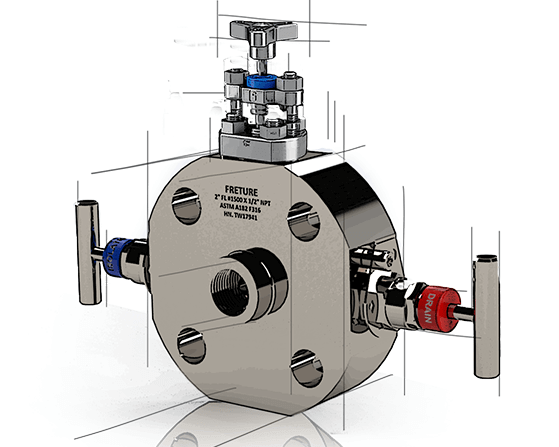
2. Monoflange Valve

The Monoflange valve is a versatile valve type that combines isolation, venting, and calibration functions into one compact unit. Traditionally, several valves would be needed to perform these functions, but the Monoflange valve simplifies the process by integrating them into a single device.

Monoflange valves are particularly useful in industries where space is limited and efficiency is critical. They reduce the number of potential leak points, increase safety, and streamline the overall system. This type of valve is typically found in offshore platforms, refineries, and petrochemical plants.

3. Ball Valve

Ball valves are widely used for their simple yet effective design. They feature a spherical disc, or ball, which has a hole through the center. When the valve is open, the hole aligns with the flow path, allowing fluids or gases to pass through. When closed, the ball rotates to block the flow.

Ball valves are known for their durability, ease of operation, and tight seals, even after extended periods of use. They are ideal for both high-pressure and low-pressure applications in industries like water treatment, oil and gas, and HVAC systems.

4. Check Valve

Check valves, also known as non-return valves, are essential for preventing reverse flow in a pipeline. These valves are designed to allow fluid to flow in only one direction and automatically close if the flow reverses, protecting the system from potential damage or contamination.

Check valves are used in a variety of industries, including water distribution, fuel lines, and hydraulic systems. Their simple design makes them reliable and easy to maintain, while their ability to prevent backflow is critical in maintaining the safety and efficiency of industrial processes.

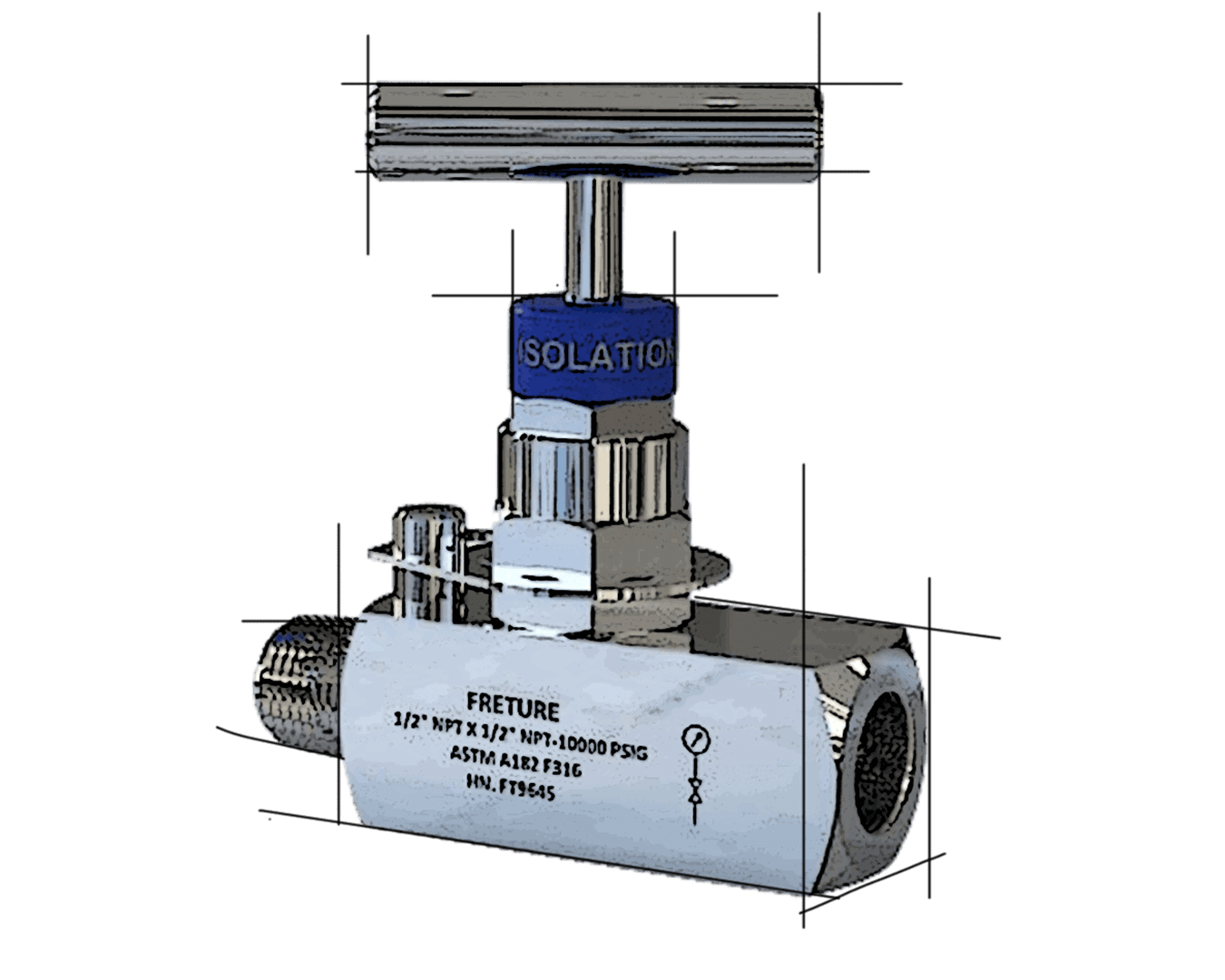
5. Needle Valve

Needle valves are precision-engineered for applications that require accurate flow control. They feature a slender, tapered needle that fits into a small seat. As the valve is adjusted, the needle moves in or out of the seat, allowing for fine-tuned control of the flow rate.

These valves are particularly useful in low-flow systems where precise adjustments are needed, such as in hydraulic systems, gas chromatography, and laboratory equipment. Needle valves are highly valued for their ability to regulate flow with exceptional accuracy.

Why Choose Freture Techno Pvt. Ltd. for Instrumentation Valves?

Freture Techno Pvt. Ltd. has established itself as a leading manufacturer and supplier of instrumentation valves in India, with a focus on delivering high-quality products at competitive prices. Here’s why Freture Techno is the go-to source for instrumentation valves:

  1. Quality and Durability: All instrumentation valves from Freture Techno are manufactured to meet stringent industry standards. Each valve is crafted using premium materials to ensure durability, performance, and long service life.

  2. Wide Range of Products: Freture Techno offers a broad selection of valves, including Double Block and Bleed Valves, Monoflange Valves, Ball Valves, Check Valves, and Needle Valves. This extensive product range allows them to cater to diverse industries and applications.

  3. Cost-Effective Solutions: Freture Techno provides high-quality valves at competitive prices. They frequently offer discounts, allowing businesses to access top-tier instrumentation valves without stretching their budgets.

  4. Customization: Every industrial application is unique, and Freture Techno understands this. They offer customization options to meet specific requirements, ensuring that their valves are tailored to suit your system perfectly.

  5. Industry Expertise: With years of experience in manufacturing instrumentation valves, Freture Techno has the knowledge and expertise to provide solutions that meet the specific demands of industries like oil and gas, pharmaceuticals, and chemical processing.

  6. Exceptional Customer Support: Freture Techno takes pride in offering excellent customer service, from product selection to after-sales support. Their team of experts is always available to provide guidance and technical assistance.

Instrumentation valves are essential components in numerous industrial systems, providing precise control, safety, and efficiency. From Double Block and Bleed Valves that ensure secure isolation, to Monoflange and Needle Valves that offer compact and precise solutions, these valves are indispensable in a wide range of applications.

When it comes to purchasing high-quality instrumentation valves, Freture Techno Pvt. Ltd. stands out as a trusted supplier. Their commitment to quality, wide product range, and competitive pricing make them an excellent choice for businesses in need of reliable valve solutions.

Don’t miss out on the chance to buy discounted instrumentation valves from Freture Techno Pvt. Ltd. Invest in products that will ensure the long-term performance and safety of your industrial systems.
Wednesday, 14 August 2024

Enhancing System Efficiency with Reliable High Pressure Needle Valves

 In any industrial system, efficiency is a key factor in achieving optimal performance and reducing operational costs. High pressure needle valves play a critical role in enhancing system efficiency by providing precise control over fluid flow, minimizing waste, and ensuring the smooth operation of processes.

The Role of High Pressure Needle Valves in System Efficiency

Efficiency in industrial systems is often tied to how well fluids are managed. This includes controlling the flow rate, pressure, and direction of fluids within the system. High pressure needle valves contribute to this efficiency by allowing operators to fine-tune the flow of fluids with exceptional accuracy. This level of control helps reduce waste, improve process consistency, and prevent potential issues such as over-pressurization or leaks.

Design Features That Enhance Efficiency

High pressure needle valves are designed with several features that contribute to system efficiency:

Fine Threading: The fine threading of the valve stem allows for precise adjustments to the flow rate. This ensures that the desired flow is achieved with minimal variation, leading to more consistent process outcomes.

Robust Construction: Made from materials such as stainless steel or brass, high pressure needle valves are built to withstand harsh conditions and maintain their performance over time. This durability reduces the need for frequent replacements, contributing to long-term efficiency.

Low Maintenance Requirements: Many high pressure needle valves are designed for minimal maintenance, with features such as corrosion-resistant materials and leak-proof seals. This reduces downtime and maintenance costs, further enhancing system efficiency.

Improving Efficiency in Specific Applications

High pressure needle valves can significantly improve efficiency in various applications:

Fluid Metering: In applications where precise metering of fluids is required, such as in chemical dosing or fuel injection systems, high pressure needle valves ensure that the correct amount of fluid is delivered, reducing waste and improving process accuracy.

Pressure Regulation: By providing fine control over the flow rate, high pressure needle valves help maintain stable pressure levels within the system. This stability is crucial for preventing system failures and ensuring consistent performance.

Leak Prevention: The tight seal provided by high pressure needle valves minimizes the risk of leaks, which can lead to wasted fluids and potential safety hazards. This leak prevention contributes to overall system efficiency by reducing losses and maintaining safe operating conditions.

High pressure needle valves are a valuable tool for enhancing system efficiency in industrial applications. Their ability to provide precise control, durability, and low maintenance requirements make them an essential component in any system where fluid management is critical to achieving optimal performance.

Selecting the Right High Pressure Needle Valve for Your Industrial Needs

Choosing the right high pressure needle valve for your application is crucial to ensuring optimal performance and longevity. With various types and specifications available, understanding the key factors to consider can make the selection process easier and more effective.

Understanding Your Application Requirements

The first step in selecting a high pressure needle valve is to thoroughly understand your application’s requirements. Consider the following aspects:

Pressure Rating: Identify the maximum pressure your system will encounter. High pressure needle valves are designed to handle pressures ranging from a few hundred PSI to several thousand PSI. Ensure that the valve you select has a pressure rating that exceeds your system’s maximum operating pressure.

Temperature Range: Consider the temperature conditions the valve will be exposed to. High pressure needle valves are available in materials that can withstand extreme temperatures, both hot and cold. Choose a valve that is compatible with your system’s temperature requirements.

Fluid Type: The type of fluid flowing through the valve is another critical factor. Whether it’s gas, liquid, or a corrosive substance, the valve’s material must be compatible with the fluid to prevent corrosion, erosion, or other forms of degradation.

Types of High Pressure Needle Valves

Standard Needle Valves: These are suitable for most general-purpose applications and are available in various sizes and pressure ratings. They provide reliable flow control in systems with moderate to high pressure.

Angle Needle Valves: Angle needle valves are designed for applications where the flow needs to be redirected at an angle, typically 90 degrees. They are ideal for systems with limited space or specific piping arrangements.

Miniature Needle Valves: For applications requiring precise flow control in compact systems, miniature needle valves are the perfect choice. Despite their small size, they can handle significant pressures and provide accurate adjustments.

Material Considerations

The material of the valve is a critical consideration, especially in high pressure applications. Common materials include:

Stainless Steel: Known for its corrosion resistance and durability, stainless steel is widely used in high pressure needle valves. It is suitable for most applications, including those involving corrosive fluids.

Brass: Brass is often used in lower pressure applications and is cost-effective. It offers good resistance to corrosion but may not be suitable for very high pressure or temperature conditions.

Exotic Alloys: For highly corrosive environments or extremely high temperatures, exotic alloys such as Hastelloy or Inconel may be required. These materials offer superior resistance to harsh conditions but come at a higher cost.

Installation and Maintenance Tips

Proper Installation: Ensure that the valve is installed according to the manufacturer’s instructions. Incorrect installation can lead to leaks, pressure drops, or even valve failure.

Regular Maintenance: Regular inspection and maintenance are crucial for the long-term performance of high pressure needle valves. Check for signs of wear, corrosion, or damage, and replace any components as necessary.

Avoid Over-Tightening: When adjusting the needle valve, avoid over-tightening the stem. This can damage the valve seat and reduce its ability to control flow accurately.

Conclusion

Selecting the right high pressure needle valve involves careful consideration of your system’s pressure, temperature, and fluid characteristics. By understanding these factors and choosing the appropriate valve type and material, you can ensure reliable and efficient operation of your industrial processes.

Comprehensive Guide to High Pressure Needle Valves: Applications and Benefits

 High pressure needle valves play a crucial role in many industrial applications, offering precise flow control under extreme conditions. Their design and functionality make them indispensable in sectors such as oil and gas, chemical processing, and power generation.

What Are High Pressure Needle Valves?

A high pressure needle valve is a type of valve that enables precise regulation of fluid flow. It features a slender, needle-like plunger that fits into a conical seat. This design allows for fine adjustments to the flow rate by controlling the size of the opening through which the fluid passes. The ability to make incremental adjustments is essential in processes where accuracy is paramount.

Applications of High Pressure Needle Valves

Oil and Gas Industry: In the oil and gas sector, high pressure needle valves are used in wellhead equipment, pipelines, and refineries. Their ability to withstand high pressures and temperatures makes them ideal for controlling the flow of crude oil, natural gas, and other hydrocarbons.

Chemical Processing: These valves are integral to chemical plants, where they manage the flow of corrosive and toxic substances. Their precision ensures that the right amount of chemicals is delivered to reactors, mixers, and other process equipment, reducing the risk of overpressure or leaks.

Power Generation: In power plants, high pressure needle valves control the flow of steam, water, and other fluids used in turbines, boilers, and cooling systems. Their reliability is critical to maintaining safe and efficient operations in both conventional and nuclear power plants.

Benefits of High Pressure Needle Valves

Precision Control: One of the primary advantages of high pressure needle valves is their ability to provide precise flow control. This is especially important in applications where even slight variations in flow rate can have significant impacts on the overall process.

Durability: These valves are designed to withstand harsh conditions, including high pressures, extreme temperatures, and corrosive environments. Materials such as stainless steel and exotic alloys ensure long-term durability and resistance to wear and tear.

Safety: High pressure needle valves contribute to the safety of industrial operations by allowing for controlled release of pressure, preventing system overpressure, and reducing the risk of leaks or accidents.

Conclusion

High pressure needle valves are vital components in many industrial processes, offering unmatched precision, durability, and safety. Their versatility and reliability make them a preferred choice in industries where accurate flow control is essential. Whether in oil and gas, chemical processing, or power generation, these valves continue to play a key role in ensuring efficient and safe operations.

Why Monoflange Valves Are Replacing Conventional Multi-Valve Assemblies

Modern industrial processes demand compact, reliable, and maintenance-friendly valve solutions that improve operational safety while reducin...