Monday, 18 November 2024

DBB Ball Valves: A Comprehensive Guide to Function, Benefits, and Applications

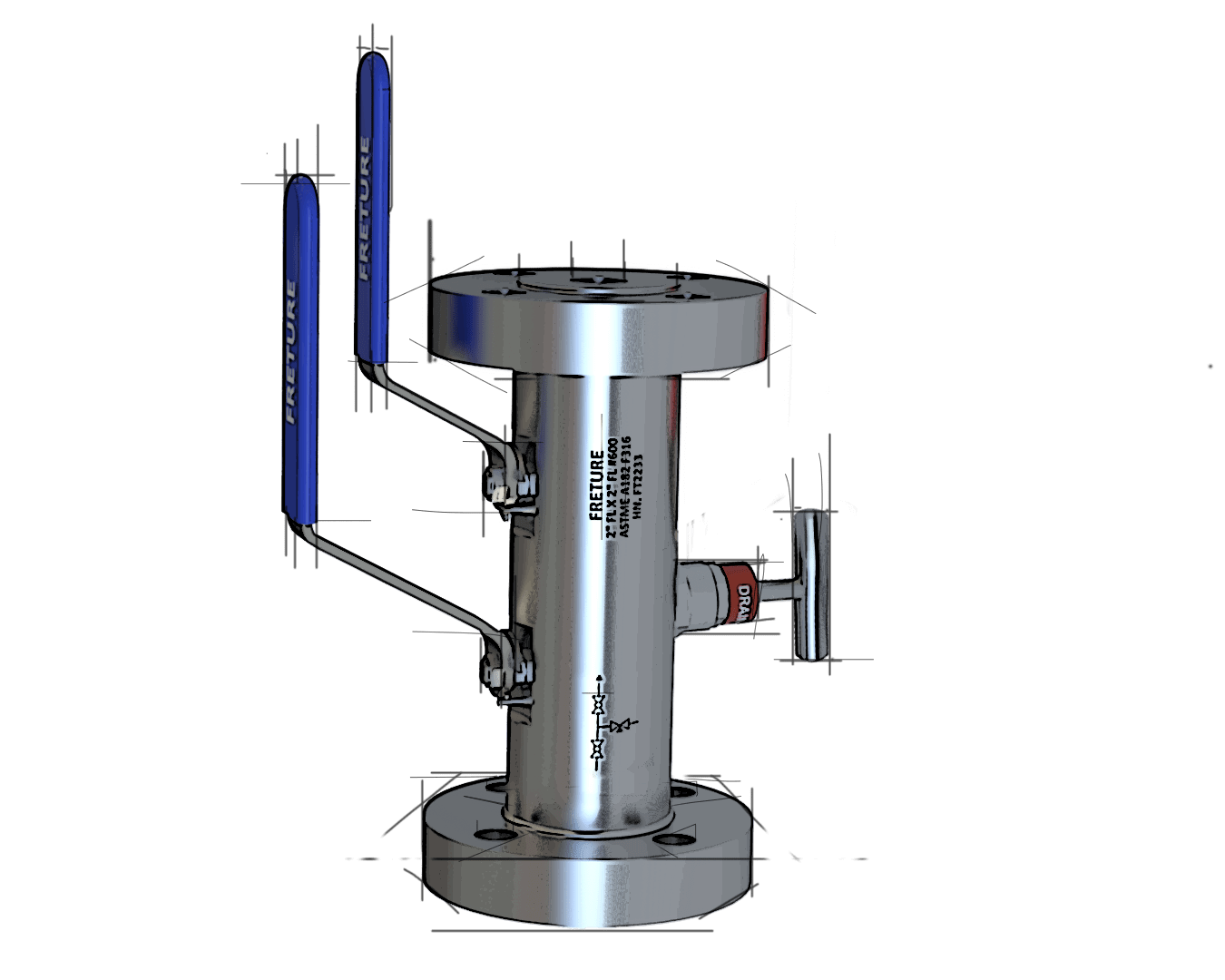
 A DBB Ball Valve, also known as a Double Block and Bleed Ball Valve, is an advanced valve technology designed to enhance safety, operational efficiency, and maintenance in various industrial applications. Combining two isolation barriers and a bleed function within a single unit, DBB ball valves provide a robust solution for isolating sections of pipelines, preventing leaks, and ensuring the safe transfer of fluids or gases. This article delves into the features, benefits, and common applications of DBB ball valves, providing insights into why they are a preferred choice in industries like oil and gas, petrochemicals, and pharmaceuticals.

What is a DBB Ball Valve?

A DBB Ball Valve is a type of valve used to isolate a section of a pipeline while also providing a means to bleed off trapped pressure or residual fluid between the isolation barriers. The "double block" refers to the two sealing mechanisms (primary and secondary) that prevent fluid from passing through, while the "bleed" refers to the valve's ability to release any trapped pressure or fluid from the space between the seals.

This unique design ensures that there is no leakage or contamination, even in cases where the primary isolation fails, providing enhanced safety in critical applications.


How Does a DBB Ball Valve Work?

A DBB ball valve works by isolating the flow of a fluid or gas through a pipeline in a secure manner. Here's how it operates:

  1. Primary Isolation: The valve’s primary ball valve closes off the flow path, creating a secure seal that prevents any fluid or gas from passing through the valve.
  2. Secondary Isolation: The secondary isolation mechanism, which is another sealing point, offers a backup layer of protection, ensuring that if the primary seal fails, the secondary seal will prevent any fluid from passing.
  3. Bleeding: The bleed valve positioned between the two isolation points enables operators to safely release any trapped pressure or residual fluid between the two seals. This ensures that no dangerous pressure buildup remains in the isolated section.

The entire process works to provide a secure, leak-proof isolation and a safe environment for operations.

Benefits of DBB Ball Valves

DBB ball valves offer several significant advantages that make them ideal for demanding industrial applications:

1. Enhanced Safety

The double isolation feature ensures that any leaks are prevented, reducing the risk of hazardous fluid or gas escaping from the pipeline. Additionally, the bleed function allows for controlled pressure release, ensuring that no trapped pressure causes unintentional releases or equipment damage.

2. Reduced Space and Weight

The integrated design of the DBB ball valve eliminates the need for multiple valves, reducing the overall space required in pipeline systems. This compact design also reduces the overall weight of the system, making it ideal for offshore applications or compact installations.

3. Cost Efficiency

By combining the functionality of multiple valves into a single unit, DBB ball valves offer a cost-effective solution. Fewer components result in lower material costs, and less maintenance is required due to the integrated design. This also leads to reduced downtime for maintenance and repairs.

4. Improved Reliability

With two independent isolation points and a bleed feature, DBB ball valves offer reliable performance even in high-pressure environments. Their ability to handle hazardous fluids safely makes them a dependable choice for critical industries.

5. Compliance with Industry Standards

DBB ball valves meet international safety and performance standards such as ANSI, API, and ISO, ensuring they are suitable for use in industries with strict regulatory requirements.

Applications of DBB Ball Valves

DBB ball valves are commonly used in various industries where safety and reliability are paramount. Some of the most common applications include:

1. Oil and Gas Industry

In the oil and gas sector, DBB ball valves are used to isolate sections of pipelines during maintenance or pressure testing, preventing leaks and maintaining safety. They are also used in high-pressure systems to ensure secure flow isolation.

2. Petrochemical and Chemical Processing

In petrochemical and chemical plants, DBB ball valves provide double isolation to handle corrosive or hazardous fluids safely. The bleed function also ensures that any residual chemicals or gas are safely released, preventing contamination or accidents.

3. Power Generation

In power plants, DBB ball valves are used to control steam and water flow, isolate sections of the system for maintenance, and provide secure shutoffs in case of emergencies.

4. Water Treatment

DBB ball valves are essential in water treatment systems to isolate various parts of the system during maintenance or repairs. The ability to safely bleed off trapped pressure ensures that the system operates without causing environmental contamination.

5. Pharmaceutical and Food Industries

In the pharmaceutical and food processing industries, DBB ball valves are used to isolate and protect sensitive processes. Their ability to maintain the integrity of high-purity systems while ensuring leak-proof operation is essential for maintaining product safety and compliance with hygiene standards.

Material and Construction of DBB Ball Valves

The construction of a DBB ball valve depends on its application, but the following materials are commonly used:

  • Stainless Steel: Offers excellent corrosion resistance, making it suitable for aggressive fluids in industries like petrochemicals and pharmaceuticals.
  • Carbon Steel: Cost-effective and ideal for general industrial applications where corrosion resistance is less of a concern.
  • Exotic Alloys: For extreme environments where higher corrosion or temperature resistance is required, such as offshore oil rigs or chemical plants.

Maintenance of DBB Ball Valves

While DBB ball valves are designed for long-term reliability, regular maintenance is crucial to ensure optimal performance. Key maintenance tasks include:

  • Inspecting Seals: Ensure the primary and secondary seals are in good condition to avoid leaks.
  • Bleed Valve Testing: Regularly test the bleed valve for functionality to ensure it releases trapped pressure safely.
  • Lubrication and Cleaning: Regularly lubricate moving parts and clean the valve to prevent build-up that could cause malfunction.

Conclusion

DBB ball valves offer an excellent solution for isolating fluid flow and ensuring safety in critical applications. Their design provides enhanced safety, reduced space, and cost efficiency, making them a reliable choice in various industries. If you are looking to buy high-quality DBB ball valves, Freture Techno Pvt. Ltd. offers a range of innovative and durable solutions to meet your industrial needs.

Buy DBB Ball Valves from Freture Techno Pvt. Ltd., a leading manufacturer specializing in high-performance valve solutions in Mumbai, India. With our expertise and commitment to quality, we provide valves that meet international standards and enhance your operational safety.

Thursday, 7 November 2024

Air Header Manifold: Essential Components for Streamlined Pneumatic Distribution

 Air header manifolds are pivotal components in modern industrial systems, providing a means to distribute compressed air or inert gases efficiently to multiple instruments or control points. These devices serve as centralized hubs, allowing multiple outputs from a single input, which simplifies the overall system structure, reduces piping requirements, and enhances operational efficiency. Commonly found in industries like oil and gas, petrochemical, and power generation, air header manifolds contribute significantly to maintaining safe and efficient processes.

This article explores the structure, functionality, types, installation process, and applications of air header manifolds.

What is an Air Header Manifold?

An air header manifold is a precision-engineered device designed to facilitate the distribution of air or other gases from a single source to multiple destinations. It features a single inlet that splits into several outlets, each capable of supplying air or gas to a connected device. This design allows for centralized control over multiple points in an industrial process, enabling efficient distribution and easy maintenance.

Air Header Distribution Manifold | Freture Techno Pvt. Ltd.

Key Features and Benefits:

  • Optimized Air Distribution: By distributing air from a single source to various outlets, the air header manifold helps optimize system efficiency and reduces the need for extensive individual piping.
  • Leak-Proof Design: High-quality sealing elements and durable construction ensure a leak-free system, even under high-pressure applications.
  • Space-Saving Solution: Multiple connection points in one compact unit save space and simplify the layout of industrial setups.

Types of Air Header Manifolds

Air header manifolds come in various configurations to suit specific system requirements. Common types include:

  1. 4-Way Air Header Manifold: This type has four outlets from a single inlet, ideal for smaller systems or those needing limited distribution points. Often found in compact setups, the 4-way manifold provides just the right amount of control for minimal points of distribution, making it a cost-effective choice for simpler installations.

  2. 6-Way Air Header Manifold: With six outlets, this manifold is suited to systems with slightly greater distribution requirements. The 6-way configuration offers expanded connectivity without significantly increasing space or cost, making it a popular option for medium-sized setups.

  3. 8-Way Air Header Manifold: The 8-way manifold is widely used in larger systems requiring a more extensive distribution network. This configuration is beneficial for industrial processes with more instruments that need reliable air or gas supply from a single source.

  4. 12-Way Air Header Manifold: For large-scale installations, the 12-way manifold provides the maximum distribution capacity, allowing air or gas to reach a broad array of control points. Common in complex industrial environments, this configuration reduces the need for extensive individual piping, saving both time and space during installation and maintenance.

Each type of manifold can be customized to include additional safety features, such as pressure relief valves, depending on the needs of the specific application.


How Does an Air Header Manifold Work?

An air header manifold functions by taking air or gas from a main supply line and distributing it to several different instruments or control points within a system. The main inlet allows the gas to enter the manifold, where it is evenly split into multiple outlets. Each outlet is equipped with isolation valves, which enable independent control over each connection point, adding flexibility and enhancing the system's safety.

This setup allows for easy isolation of individual components without interrupting the entire system. For example, maintenance work can be conducted on one instrument without shutting down the entire network. This design reduces downtime and enhances the overall safety of the operation, as each component can be isolated as needed.

Materials and Construction

Air header manifolds are crafted from durable materials to ensure longevity and reliability in industrial applications. Common materials include:

  • Stainless Steel: Highly resistant to corrosion, stainless steel manifolds are ideal for use in harsh environments or with gases that may be reactive.
  • Carbon Steel: Often used in systems where cost-efficiency is a priority, carbon steel provides strength but may require additional corrosion protection.
  • Aluminum: Lightweight and resistant to corrosion, aluminum manifolds are used in applications where weight is a concern.

To accommodate different industrial environments, manifold outlets are lined with protective materials such as PTFE, PFA, FEP, and PVDF. These coatings provide added protection against chemical reactions, ensuring the manifold remains durable and reliable even under challenging conditions.

Installation of an Air Header Manifold

The installation of an air header manifold involves several steps to ensure that the system operates efficiently and safely. Generally, the process includes:

  1. Preparation of the System: Before installation, the entire system is inspected to determine the best placement for the manifold. Correct positioning is crucial for optimizing distribution and minimizing piping requirements.

  2. Mounting the Manifold: Once positioned, the manifold is securely mounted to a support structure to prevent movement and vibration that could affect performance or lead to leaks.

  3. Connecting the Inlet and Outlets: The main air or gas supply line is connected to the inlet, while individual outlet connections are linked to the corresponding instruments. Each connection is carefully sealed to ensure a leak-free setup.

  4. Testing the System: After installation, the entire system is tested under pressure to confirm that all connections are secure and that the manifold distributes air or gas evenly to each outlet.

Applications of Air Header Manifolds

Air header manifolds play a vital role in many industries by facilitating effective air or gas distribution. Some common applications include:

  • Oil and Gas: Used for the safe and efficient distribution of inert gases in upstream and downstream processes. Air header manifolds provide essential connectivity in hazardous environments where safety is paramount.

  • Petrochemical: Often used to distribute compressed air or other gases across multiple control points within a plant. The manifold’s ability to prevent leakage and ensure even distribution makes it valuable in these complex environments.

  • Power Generation: In power plants, air header manifolds enable the controlled distribution of gases to turbines and other critical systems, maintaining operational stability.

  • Instrumentation and Control Systems: For precision tasks, air header manifolds provide a means to distribute air to instruments like pressure gauges, control valves, and monitoring equipment, ensuring accurate and consistent performance.

Why Choose an Air Header Manifold?

Air header manifolds offer several advantages that make them essential in modern industrial setups:

  • Cost-Efficiency: By centralizing multiple connections in one unit, air header manifolds reduce the need for extensive individual piping, resulting in lower material and installation costs.

  • Enhanced Safety: Equipped with isolation valves, these manifolds allow for the safe operation and maintenance of each connection point, reducing the risk of accidents.

  • Reliability and Durability: Made from robust materials and featuring advanced sealing technology, air header manifolds provide consistent performance even in demanding environments.

Maintenance Tips for Air Header Manifolds

Regular maintenance is essential to ensure the longevity and efficiency of air header manifolds. Some best practices include:

  • Inspecting Seals: Regularly checking seals for wear and tear can prevent leaks and ensure efficient performance.
  • Cleaning the Manifold: Regular cleaning helps prevent buildup of particles that could obstruct the air flow or damage the internal structure.
  • Testing Pressure Levels: Routine pressure testing verifies that the manifold maintains consistent distribution and does not compromise system integrity.

By adhering to these maintenance practices, industries can ensure the reliability and longevity of their air header manifolds, leading to optimized performance and minimized downtime.

In conclusion, Air Header Manifolds are vital components in modern industrial systems, offering streamlined air and gas distribution with configurations to suit any setup. Their adaptability, durability, and safety features make them ideal for a wide range of applications. For high-quality air header manifolds crafted to meet demanding industrial standards, consider Freture Techno Pvt. Ltd., a trusted name in the industry.

Wednesday, 9 October 2024

2 Way Manifold Valve: An In-Depth Guide

 The 2 way manifold valve plays a crucial role in various industries, particularly in fluid control applications. Designed to facilitate the connection between two different points in a piping system, these valves offer enhanced control and versatility. This article provides a comprehensive overview of 2 way manifold valves, including their design, applications, advantages, and key considerations for selecting the right valve for specific needs.

Understanding the 2 Way Manifold Valve

A 2 way manifold valve consists of two ports: one inlet and one outlet. The primary function of this valve is to control the flow of fluids, whether they are liquids or gases, in a piping system. By opening or closing the valve, the flow can be directed or shut off completely. This functionality is essential for regulating processes in industries such as oil and gas, water treatment, pharmaceuticals, and manufacturing.

How Does a 2 Way Manifold Valve Work?

The operation of a 2 way manifold valve is relatively straightforward. The valve is typically operated manually or automatically, depending on the application. When the valve is opened, fluid flows from the inlet to the outlet, allowing for the desired flow rate. Conversely, when the valve is closed, the flow is completely halted, ensuring that the system can be safely maintained or serviced.

2 Way Manifold Valve Manufacturers in India

Key Features of 2 Way Manifold Valves

  1. Compact Design: The compact design allows for easy installation in tight spaces, making these valves ideal for various applications.

  2. Durability: Constructed from high-quality materials, such as stainless steel and brass, these valves offer excellent resistance to corrosion and wear.

  3. Versatility: They can be used in numerous applications, including pressure control, flow regulation, and system isolation.

  4. Easy Maintenance: The simple design allows for straightforward maintenance and servicing, minimizing downtime.

Applications of 2 Way Manifold Valves

These valves are employed across multiple industries, demonstrating their versatility and importance in fluid control systems. Some of the key applications include:

1. Oil and Gas Industry

In the oil and gas sector, 2 way manifold valves are essential for controlling the flow of hydrocarbons. They are often used in pipeline systems to manage pressure and direct flow as needed. The reliability of these valves ensures that operations can continue smoothly, even in challenging environments.

2. Water Treatment

In water treatment facilities, 2 way manifold valves regulate the flow of water during various purification processes. Their durability and resistance to corrosion make them suitable for handling aggressive chemicals used in water treatment.

3. Pharmaceutical Manufacturing

In the pharmaceutical industry, strict regulations govern fluid control processes. These valves are used to ensure precise control of various fluids, including solvents and active pharmaceutical ingredients (APIs). The ability to maintain high levels of cleanliness and sterility is critical in this industry.

4. Manufacturing Processes

 Two way manifold valves are also employed in manufacturing processes that require precise flow control. They help regulate the flow of raw materials, ensuring consistent quality and efficiency in production.

Advantages of Using Two Way Manifold Valves

Several advantages make these valves a preferred choice for fluid control applications:

1. Increased Control

By allowing for precise regulation of fluid flow, 2 way manifold valves help maintain optimal operating conditions in various processes. This control is crucial for ensuring product quality and efficiency.

2. Space Efficiency

The compact design allows for installation in tight spaces, making these valves ideal for environments where space is limited. This efficiency can help reduce installation costs and optimize system layout.

3. Reduced Risk of Leaks

The robust construction minimizes the risk of leaks, ensuring that processes can be conducted safely. This leak-proof design is essential in industries where fluid loss could lead to significant environmental and financial consequences.

4. Cost-Effectiveness

While the initial investment in high-quality 2 way manifold valves may be higher, their durability and low maintenance requirements can lead to cost savings in the long run. By reducing downtime and maintenance needs, these valves contribute to overall operational efficiency.

Key Considerations When Choosing a 2 Way Manifold Valve

Selecting the right valve for a specific application requires careful consideration of several factors:

1. Material Selection

The valve's material must be compatible with the fluids being handled. For corrosive fluids, stainless steel or special alloys may be required to ensure long-lasting performance. In contrast, non-corrosive fluids may be suitable for standard brass valves.

2. Pressure and Temperature Ratings

The pressure and temperature ratings of the valve should match the operating conditions of the system. Ensuring that the selected valve can withstand the maximum expected pressure and temperature during operation is essential.

3. Flow Requirements

Understanding the required flow rate is crucial for selecting the appropriate valve size. An undersized valve may restrict flow, while an oversized valve can lead to inefficient operation.

4. Actuation Method

Determining whether manual or automatic actuation is required can influence the selection process. Automated valves can enhance control and reduce labor costs but may require additional components such as actuators and control systems.

5. Regulatory Compliance

In industries such as pharmaceuticals and food processing, compliance with regulatory standards is essential. Choosing valves that meet these requirements can ensure that processes remain compliant and safe.

Tips for Installing and Maintaining 2 Way Manifold Valves

To maximize the performance and longevity of 2 way manifold valves, several installation and maintenance tips should be considered:

  1. Proper Installation: Ensure that the valve is installed in accordance with manufacturer guidelines. Correct alignment and support will prevent undue stress on the valve.

  2. Regular Inspections: Periodic inspections should be conducted to identify any signs of wear, corrosion, or leakage. Early detection of issues can prevent costly downtime.

  3. Cleaning: Keeping valves clean and free from debris will help maintain their performance. It is especially important in applications involving sensitive fluids, such as pharmaceuticals.

  4. Lubrication: Regular lubrication of moving parts can enhance valve performance and reduce the risk of operational issues.

  5. Documentation: Keeping accurate records of installation, maintenance, and inspections will aid in identifying trends and potential issues over time.

In summary, 2 way manifold valves are integral components of fluid control systems across various industries. Their durability, versatility, and ease of maintenance make them a popular choice for regulating the flow of liquids and gases. By considering key factors such as material selection, pressure ratings, and flow requirements, the appropriate 2 way manifold valve can be chosen to meet specific needs.

For reliable and high-quality valves, Freture Techno Pvt. Ltd. is the leading manufacturer in Mumbai, India. Ensure the optimal performance of your fluid control systems by choosing top-quality valves designed for durability and efficiency.

Monday, 7 October 2024

An Overview of 3 Way Manifold Valves

In industrial applications, control and regulation of fluid flow are critical to ensuring the efficiency, safety, and accuracy of operations. Among the many valve types used for instrumentation, the 3-way manifold valve stands out as an essential component in pressure and flow measurement systems. This article will provide an overview of 3-way manifold valves, explaining their construction, function, and importance in industrial settings.

What is a 3-Way Manifold Valve?

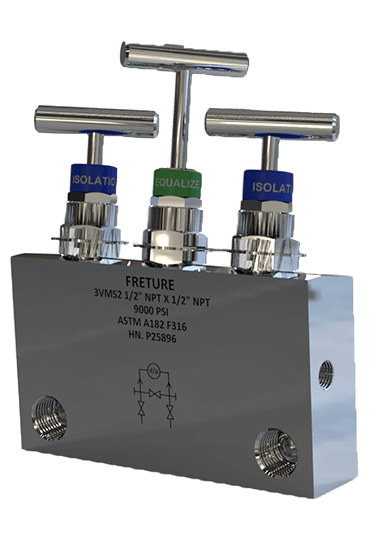
A 3-way manifold valve is a compact, multi-port valve assembly designed primarily for use with pressure measurement instruments such as differential pressure (DP) transmitters, gauges, and switches. It features three main ports, each of which serves a specific function in isolating, equalizing, or venting process fluids. These valves are often used in conjunction with DP transmitters to measure the difference in pressure across two points in a system.

3 Way Manifold Valve Manufacturer in Mumbai, India


The three main ports in the valve are:

  1. High-Pressure Port: Connects to the high-pressure side of the process fluid.
  2. Low-Pressure Port: Connects to the low-pressure side of the process fluid.
  3. Equalizing Port: Allows for equalization of pressure between the high and low sides during maintenance or calibration procedures.

Working Principle of 3-Way Manifold Valves

The 3-way manifold valve works by directing the flow of process fluids through its three ports. In normal operation, the high and low-pressure ports are connected to the DP transmitter, allowing it to measure the pressure differential. When calibration or maintenance is required, the equalizing valve is opened, creating a bypass that equalizes the pressure on both sides of the transmitter. This prevents damage to sensitive instrumentation and ensures accurate readings.

The valve assembly also often includes venting capabilities, which allow operators to release any trapped air or fluid from the system. This feature is especially important when dealing with pressurized systems, as it helps maintain safety and efficiency.

Applications of 3-Way Manifold Valves

3-way manifold valves are used in a variety of industries where precise control and measurement of fluid pressure are necessary. Common applications include:

  • Oil and Gas Industry: For monitoring pipeline pressures, especially in hazardous environments.
  • Chemical Processing: Ensuring accurate pressure measurements in corrosive or high-temperature environments.
  • Power Generation: Used in steam and water systems to maintain operational safety.
  • Water Treatment: Controlling and measuring pressure in filtration and purification processes.

Materials and Construction

To meet the varying demands of different industries, 3-way manifold valves are constructed from materials suited to specific environments. Common materials include:

  • Stainless Steel: For resistance to corrosion and high temperatures in aggressive environments.
  • Carbon Steel: Ideal for high-pressure applications that require durability and strength.
  • Alloy 400 (Monel): Used in situations where resistance to acidic or corrosive fluids is necessary.

The selection of material depends on factors like process fluid type, temperature, and pressure conditions.

Advantages of Using 3-Way Manifold Valves

  1. Improved Measurement Accuracy: By providing a reliable way to isolate and equalize pressure, 3-way manifold valves ensure that pressure readings are accurate and that instruments are protected from overpressure damage.

  2. Space-Saving Design: Instead of using multiple valves for isolation and venting, 3-way manifold valves combine these functions into a compact design, saving space and reducing the need for multiple components.

  3. Reduced Maintenance: The ability to isolate and equalize pressure during calibration reduces wear and tear on instrumentation and extends the life of pressure measurement devices.

  4. Enhanced Safety: These valves improve safety by allowing pressure equalization before maintenance, reducing the risk of sudden pressure surges or equipment failure.

In industries where accurate pressure measurement and fluid control are essential, 3-way manifold valves play a key role. Their ability to isolate, equalize, and vent process fluids makes them indispensable in ensuring safety, efficiency, and accuracy in operations. By selecting the right materials and maintaining them properly, industries can benefit from the reliability and longevity of 3-way manifold valves.

Monday, 30 September 2024

Exploring the Versatility of Monoflange Valves in Critical Industries

 Monoflange valves are increasingly becoming a preferred choice in industries that demand compact, reliable, and efficient valve solutions. By consolidating multiple valve functions into one block, monoflange valves help industries achieve high performance while reducing costs and space requirements.

Types of Monoflange Valves

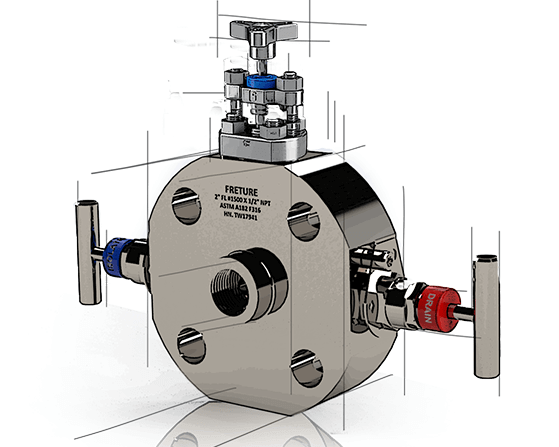
  1. Isolate and Vent Monoflange Valve: This type of valve is designed for safe isolation of instruments or equipment, along with a venting function for pressure release. It is widely used in processes that require instrument isolation and bleeding.

  2. Double Block and Bleed Monoflange Valve: With two isolation barriers and a central vent, this valve offers superior safety in high-pressure applications, making it essential for industries like oil and gas.

  3. Integral Valve Manifolds: These valves incorporate both isolation and equalization functions, often used in pressure gauge mounting applications.

Features of Monoflange Valves

  • Reduced Weight and Size: By integrating multiple functions, these valves drastically reduce the weight and size of a valve system, making them easier to install and maintain.

  • Safety Enhancement: Monoflange valves minimize the number of potential leak paths, enhancing the safety and reliability of the system.

  • Pressure Rating: Monoflange valves are designed to withstand high pressures, making them suitable for use in critical applications such as offshore platforms, chemical plants, and power generation facilities.

Advantages of Monoflange Valves

  1. Space Optimization: The compact nature of these valves allows for installation in areas with limited space, making them ideal for offshore platforms or confined process plants.

  2. Lower Installation Costs: Reduced size and fewer components lead to quicker installation times, reducing labor and material costs.

  3. High Durability: With fewer moving parts and high-grade materials, monoflange valves offer superior longevity and reduced maintenance needs.

Freture Techno Pvt. Ltd. – Your Trusted Monoflange Valve Manufacturer

Freture Techno Pvt. Ltd. is a trusted name in manufacturing monoflange valves in Mumbai, India. Their products are built with precision engineering and are tested to meet the highest quality standards, ensuring reliable performance in the most demanding conditions.

Saturday, 28 September 2024

Exploring the Different Types of Double Block and Bleed Valves

 Double Block and Bleed (DBB) Valves play an essential role in high-risk applications, especially in industries such as oil and gas, petrochemicals, and water treatment. These valves offer dual isolation and pressure relief, ensuring system safety and reliability during maintenance or shutdown procedures. Understanding the types of DBB valves is crucial for selecting the right solution for your application.

Types of Double Block and Bleed Valves

  1. Ball Double Block and Bleed Valves: As one of the most commonly used DBB valve types, ball valves feature two ball elements that act as independent seals. They are used in high-pressure applications, particularly in the oil and gas industry, due to their durability and ease of operation.

  2. Gate Double Block and Bleed Valves: Gate DBB valves use a flat or wedge-shaped gate to block fluid flow. They are ideal for environments where a tight shutoff is required, such as in pipeline systems where full isolation is necessary for maintenance.

  3. Needle Double Block and Bleed Valves: Designed for precision, needle DBB valves offer excellent control over small volumes of fluids. These valves are perfect for instrumentation systems and are often used in industries that require precise control over fluid flow.

  4. Plug Double Block and Bleed Valves: Featuring a cylindrical or tapered plug, these valves provide quick operation and are commonly used in applications where rapid isolation is required. Their simple design and ease of maintenance make them ideal for natural gas systems.

Double Block and Bleed Valves Manufacturers in India

Features of Double Block and Bleed Valves

DBB valves are defined by their robust design and functionality. Some key features include:

  • Double Isolation: Ensuring complete isolation on both sides of the valve, these valves are crucial for safety in systems handling hazardous materials.
  • Bleed Functionality: The central bleed valve allows for pressure relief, preventing trapped pressure from causing system failures.
  • High Durability: DBB valves are often made from materials such as stainless steel and carbon steel, capable of withstanding high temperatures and corrosive fluids.
  • Compact Construction: Many DBB valves offer a compact, space-saving design without sacrificing functionality, making them easier to install in confined spaces.
  • Compliance with Industry Standards: These valves are built to meet stringent safety and environmental regulations in sectors like oil and gas, ensuring compliance with international standards.

Advantages of Double Block and Bleed Valves

  • Enhanced Safety: By providing dual isolation, DBB valves offer a higher level of safety, preventing leaks and system failures in high-pressure environments.
  • Reduced Maintenance Time: DBB valves allow for faster maintenance and shutdown processes by isolating sections of the system without disrupting the entire operation.
  • Cost-Effective Solutions: Using DBB valves reduces the need for multiple valve installations, leading to lower material and labor costs.
  • Environmental Protection: DBB valves help prevent the release of harmful substances, contributing to environmental safety by containing leaks within the system.

Freture Techno Pvt. Ltd. is a top-tier manufacturer of Double Block and Bleed Valves in Mumbai, India. Their expertise and dedication to innovation make them a trusted partner for industries requiring high-quality valve solutions.

Thursday, 26 September 2024

Understanding the Functionality of Double Block and Bleed Valves

 Double Block and Bleed (DBB) valves have become essential components in industries where safety and reliability are paramount. Designed to isolate and depressurize equipment, these valves ensure that hazardous fluids do not escape during critical maintenance or inspection processes.

What Are Double Block and Bleed Valves?

A Double Block and Bleed valve system consists of two sealing mechanisms and a bleed valve positioned between them. This design enables the isolation of fluids or gases on both sides, ensuring that the area between the two seals can be safely depressurized and drained. Unlike traditional valves, DBB valves provide an extra layer of protection, making them ideal for industries like oil and gas, chemical processing, and power generation.

Key Features of DBB Valves

DBB valves are often preferred in applications where fluid or gas leakage could cause environmental damage, safety risks, or operational downtime. Some critical features include:

  • Dual isolation: The ability to isolate on both sides of the valve ensures complete separation of fluid or gas.
  • Bleed function: This allows operators to release pressure safely between the two blockages, providing a safe environment for maintenance or inspection.
  • Compact design: DBB valves often replace multiple traditional valves, reducing space and the complexity of piping systems.

Types of Double Block and Bleed Valves

Different types of DBB valves are available to meet varying industrial needs. The most common types include:

  1. Ball DBB Valves: Known for their quick operation and reliability, ball DBB valves are used in both low and high-pressure systems.
  2. Needle DBB Valves: These offer precise flow control and are ideal for systems that require more gradual pressure relief.
  3. Plug DBB Valves: Frequently used in the oil and gas industry, plug DBB valves are suitable for handling high-pressure and corrosive fluids.

Applications of Double Block and Bleed Valves

DBB valves play a crucial role in various industries. Some notable applications include:

  • Oil and gas pipelines: These valves help isolate sections of a pipeline for safe maintenance, ensuring that no fluids or gases are leaked.
  • Refineries and petrochemical plants: DBB valves are used to prevent cross-contamination of products during different stages of the refining process.
  • Power generation: These valves maintain safe operation during high-temperature processes, preventing leaks in steam and cooling systems.

Benefits of DBB Valves

One of the most significant advantages of using DBB valves is the enhanced safety they provide. By isolating hazardous fluids or gases, these valves prevent potentially dangerous leaks that could lead to environmental harm or workplace accidents. Furthermore, the use of a single DBB valve in place of multiple valves reduces installation costs and simplifies maintenance procedures.

Double Block and Bleed valves have become an indispensable part of industrial processes where safety, reliability, and efficiency are required. When choosing DBB valves, it is crucial to consider the specific needs of your system and the types of fluids or gases being handled. For industries seeking durable and high-performance DBB valves, Freture Techno Pvt. Ltd. offers a range of options designed to meet the most demanding operational standards.

Why Monoflange Valves Are Replacing Conventional Multi-Valve Assemblies

Modern industrial processes demand compact, reliable, and maintenance-friendly valve solutions that improve operational safety while reducin...